Domestic vs International Transport – Key Differences Explained
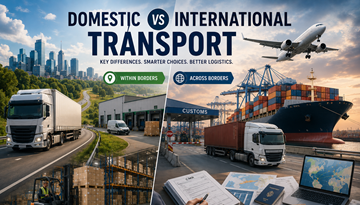
Understanding the difference between domestic and international freight transport helps businesses and private customers choose the right logistics solution, avoid delays, reduce shipping costs, and prepare proper transport documentation for successful deliveries.
What Is Domestic Transport?
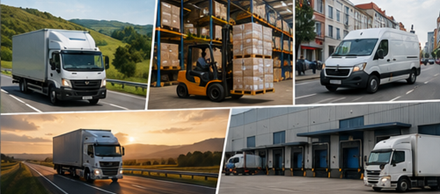
Domestic transport refers to the movement of goods within the borders of one country. The shipment starts and finishes in the same nation without crossing international borders.
Domestic freight transport is commonly used for local deliveries, regional distribution, retail supply chains, ecommerce shipments, and industrial logistics operations.
- Transport inside one country
- No international customs procedures
- Faster documentation process
- Simpler logistics planning
- Lower administrative complexity
What Is International Transport?
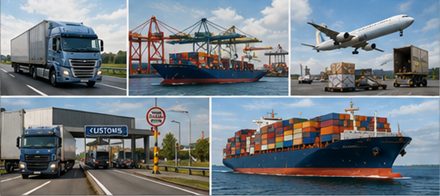
International transport involves moving goods between different countries. The shipment crosses one or more international borders and may require customs clearance, import and export documents, and compliance with international transport regulations.
International logistics is widely used for global trade, ecommerce, manufacturing supply chains, industrial cargo transport, and cross-border European deliveries.
- Cross-border freight movement
- Customs and border procedures
- Import and export regulations
- International transport documents
- Longer transit distances
Main Differences Between Domestic and International Transport
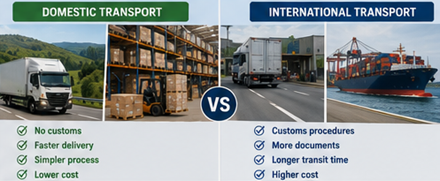
The biggest differences between domestic and international transport involve customs procedures, transport regulations, delivery times, costs, and required documentation.
- Domestic transport stays within one country while international transport crosses borders
- International freight usually requires customs documentation
- Domestic deliveries are often faster and simpler
- International shipments may involve multiple transport modes
- Cross-border transport usually has higher logistics costs
- International freight faces additional regulations and inspections
Although international logistics is more complex, modern European transport networks allow goods to move quickly between many countries with relatively efficient border procedures.
Transport Documents Used in Domestic and International Shipping

Both domestic and international transport require documentation, but international shipping usually involves more paperwork and legal compliance requirements.
- CMR transport document
- Commercial invoice
- Packing list
- Delivery note
- Customs declaration
- Import and export documents
- Cargo insurance certificates
Inside the European Union, customs procedures are often simplified compared to international shipments outside the EU.
Customs Procedures in International Transport
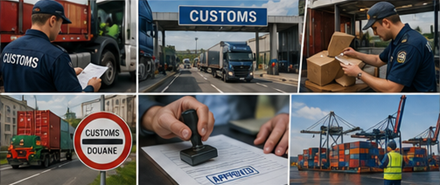
Customs procedures are one of the most important differences between domestic and international logistics. Customs authorities inspect shipments, verify documents, calculate duties, and ensure goods comply with import regulations.
Incorrect or incomplete customs documentation can cause delays, fines, or shipment refusals.
- Import and export declarations
- Customs inspections
- Tariff and duty calculations
- Border compliance checks
- Tax and VAT procedures
Delivery Times and Transit Speed
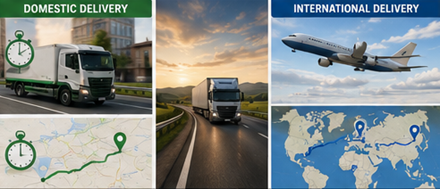
Domestic transport is usually faster because shipments remain inside one country and avoid border procedures. International transport may require additional transit time due to customs checks, longer routes, and multiple logistics stages.
Express logistics services can reduce international transit times significantly, especially within Europe.
Transport Costs and Pricing Differences
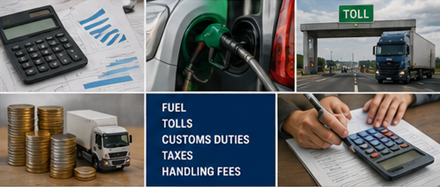
International transport is often more expensive than domestic shipping because of customs procedures, longer distances, additional taxes, border handling, and international logistics coordination.
- Fuel and toll costs
- Customs duties
- Import and export taxes
- Border handling charges
- Long-distance transport costs
- Warehouse and storage fees
Transport prices also depend on shipment size, vehicle type, cargo category, urgency, and delivery destination.
Transport Methods Used for Domestic and International Freight
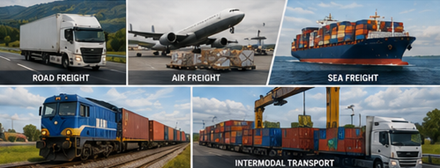
Domestic transport often relies mainly on road freight using vans and trucks. International logistics may combine multiple transport methods depending on cargo type and destination.
- Road freight transport
- Air freight shipping
- Sea freight logistics
- Rail cargo transport
- Intermodal transport systems
Domestic and International Transport in Europe
Europe has one of the most advanced logistics networks in the world. The European Union supports relatively efficient cross-border freight movement between member states, helping logistics companies deliver goods quickly across large regions.
Road freight transport plays a dominant role in European logistics because trucks can connect factories, warehouses, ports, distribution centers, and customers directly.
Challenges in International Transport
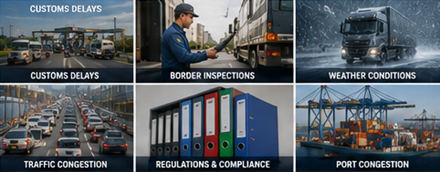
International logistics companies face many operational challenges. Delays at borders, changing regulations, customs inspections, fuel prices, and international coordination can all affect shipment efficiency.
- Customs delays
- International regulations
- Language differences
- Cross-border paperwork
- Traffic and weather conditions
- Port and terminal congestion
How to Choose Between Domestic and International Transport Services

Choosing the right transport solution depends on shipment destination, cargo type, budget, urgency, and required logistics support.
- Use domestic transport for local and regional deliveries
- Choose international transport for cross-border shipments
- Compare delivery speed and transport costs
- Check customs and documentation requirements
- Select suitable vehicle and freight service
Conclusion
Domestic and international transport both play essential roles in modern logistics and global trade. Domestic shipping focuses on efficient local and national deliveries, while international transport connects countries and global markets through cross-border logistics operations.
Understanding the differences between these transport types helps businesses and individuals plan shipments more efficiently, reduce delays, prepare proper documentation, and choose the best logistics solutions for their cargo.
Frequently Asked Questions
What is domestic transport?
Domestic transport refers to moving goods within the borders of one country without crossing international borders.
What is international transport?
International transport involves moving cargo between different countries and usually requires customs procedures and international shipping documents.
Is international transport more expensive than domestic shipping?
Yes. International freight transport is usually more expensive because of longer distances, customs procedures, taxes, border handling, and additional logistics requirements.
What documents are required for international transport?
International shipments often require CMR documents, invoices, packing lists, customs declarations, import/export documents, and insurance certificates.
Why is domestic transport usually faster?
Domestic transport avoids customs checks and international border procedures, which helps reduce delays and simplify logistics operations.
Which transport methods are used for international freight?
International freight transport may use road, air, sea, rail, or intermodal transport depending on cargo type, distance, and delivery requirements.
What are the biggest challenges in international transport?
Common challenges include customs delays, international regulations, border inspections, traffic congestion, fuel costs, and complex logistics coordination.
Can road transport be international?
Yes. Road freight transport is widely used for international logistics in Europe because trucks can efficiently deliver goods across multiple countries.
eXus Dev